Enjoying the Significance of Western Australian Food: Celebrating Diverse Culinary Traditions
Western Australian food personifies an one-of-a-kind blend of tastes and customs. It shows the region's seaside bounty, native active ingredients, and the impact of different migrant cultures. This culinary landscape grows on sustainability and neighborhood produce. Each meal narrates, attaching individuals to their heritage and environment. As one discovers this abundant tapestry, concerns develop about the duty of community and celebration fit these varied culinary experiences. What extra may be found?
The Coastal Bounty: Fresh Seafood and Sustainable Practices
As the sun rises over the pristine waters of Western Australia, the area's track record for fresh seafood and sustainable fishing methods comes to be increasingly apparent. With its considerable coastline, Western Australia flaunts an abundance of aquatic life, including delicious prawns, tender crabs, and a range of fish species. Local fisheries prioritize sustainability, utilizing approaches that shield environments while making certain a consistent supply of fish and shellfish. The commitment to responsible practices is shown in campaigns focused on maintaining fish stocks and aquatic habitats. Markets and dining establishments showcase these initiatives by using seasonal, in your area sourced fish and shellfish, drawing in both citizens and tourists alike. This dedication not just highlights the region's cooking richness however likewise highlights the relevance of ecological stewardship in the seafood market.
Native Active Ingredients: A Taste of Standard Bush Food
Aboriginal ingredients play an important duty in the cooking landscape of Western Australia, offering distinct tastes that reflect the region's rich heritage. Conventional gathering practices highlight the deep connection between Native neighborhoods and their setting, emphasizing sustainability and regard for nature. Understanding the social significance of these active ingredients enhances the recognition of bush food as a vital aspect of Australian identification.
Indigenous Shrub Foods
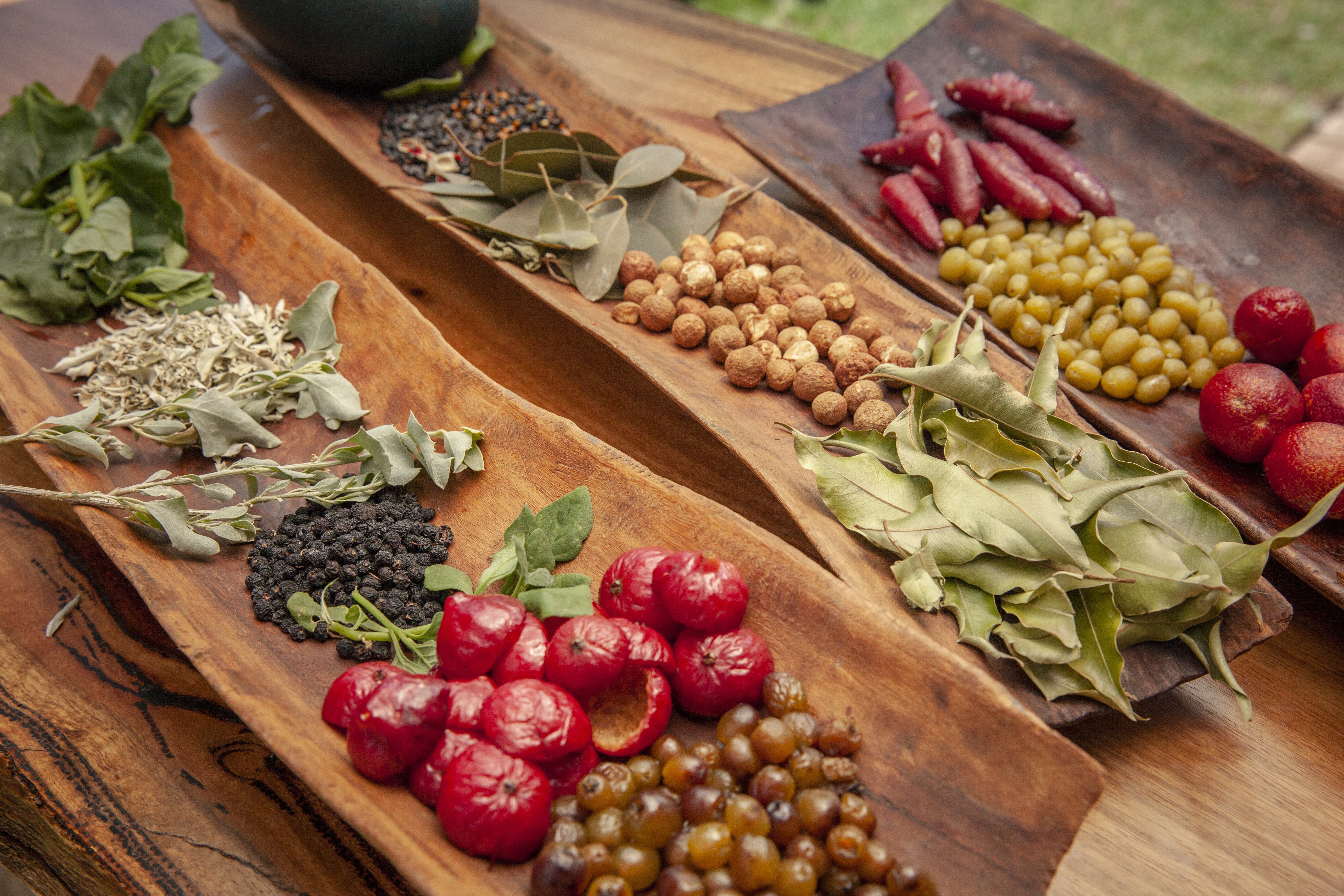
Native bush foods stand for an abundant tapestry of tastes and traditions that have been grown by Australia's First Nations individuals for countless years. Yorgo Kattan. These active ingredients, varying from wattleseed and bush tomatoes to finger limes and quandongs, supply a special viewpoint on the culinary heritage of the area. Used in both modern and conventional recipes, indigenous bush foods are celebrated for their distinct preferences and nutritional benefits. Many chefs and home chefs alike are significantly integrating these aboriginal components into their menus, highlighting their versatility. The renewal of rate of interest in indigenous bush foods not only honors old methods yet likewise promotes lasting sourcing and recognition for the land. This revival showcases the significance of these active ingredients in contemporary Australian food
Traditional Celebration Practices
Standard gathering techniques for bush foods are deeply intertwined with the cultural heritage of Australia's First Nations peoples, mirroring an extensive respect for the land and its resources. These techniques entail a deep understanding of seasonal cycles, plant habits, and animal activities, ensuring sustainable harvesting methods. Native neighborhoods have actually historically used standard understanding to identify edible plants, nuts, animals, and fruits, typically sharing this wisdom via dental traditions. Collecting events are public, reinforcing social bonds and social identity. The mindful collection strategies used show an inherent connection to the setting, highlighting the value of preserving equilibrium within ecosystems. Through these methods, First Nations individuals remain to honor their ancestors while supplying nourishment that is both environmentally lasting and culturally substantial.
Cultural Value of Active Ingredients
While the diverse landscape of Western Australia is abundant in unique plants and fauna, the cultural importance of its aboriginal active ingredients prolongs far past simple nourishment. These active ingredients, such as bush tomatoes, wattleseed, and finger limes, are deeply intertwined with the traditions and methods of Aboriginal communities. They not only supply nourishment however likewise embody the understanding passed down with generations concerning land stewardship and seasonal cycles. Making use of these native active ingredients in modern-day food mirrors a growing acknowledgment of their historic significance and nutritional worth. Chefs and home chefs alike are checking out these tastes, connecting the gap between contemporary eating and old cooking practices, therefore recognizing the social heritage embedded within each bite.
The Impact of Traveler Societies on Western Australian Cuisine
Migrant cultures have substantially shaped the culinary landscape of Western Australia, presenting diverse tastes and strategies. This fusion has led to cutting-edge meals that blend typical components with worldwide influences. Therefore, Western Australian food reflects a rich tapestry of cultural heritage, boosting its appeal and complexity.
Culinary Blend and Technology
Exactly how has the increase of varied cultures formed the cooking landscape of Western Australia? The area's food has actually advanced into a dynamic tapestry of flavors, affected by migrant neighborhoods from Asia, Europe, and the Middle East. This culinary fusion has actually led to cutting-edge dishes that mix conventional dishes with regional active ingredients. The incorporation of spices such as turmeric extract and coriander right into classic Australian fare showcases this melding of cultures. Food festivals celebrate these varied impacts, highlighting the innovative exchanges amongst chefs that attract inspiration from their heritage. As an outcome, Western Australian food is not just a helpful site representation of its history but likewise a vibrant canvas of continual technology, appealing to both residents and visitors alike.
Conventional Active Ingredients and Flavors
The culinary landscape of Western Australia is exceptionally improved by standard active ingredients and flavors brought by varied cultures. Migrant neighborhoods have actually introduced one-of-a-kind components, such as seasonings from Southeast Asia, Mediterranean herbs, and African grains, which have actually flawlessly incorporated into regional cuisine. Native ingredients, consisting of bush tomatoes and wattleseed, also play a crucial role, showing the area's rich heritage. The blend of these tastes develops unique dishes that commemorate both regional and worldwide impacts. Fish and shellfish, a staple of the area, is typically coupled with these conventional elements, boosting the general experience. This blending of cultures not only showcases the diversity of Western Australian cuisine but likewise honors the payments of migrant areas, making it a lively culinary tapestry.
A Glass Of Wine Regions: Pairing Local Tastes With First-rate Wines
While checking out the varied landscapes of Western Australia, wine lovers discover an amazing harmony between neighborhood flavors and first-rate wines. The area's distinct terroir, identified by its Mediterranean climate and abundant soils, generates outstanding varietals like Chardonnay, Shiraz, and Cabernet find more information Sauvignon. Renowned a glass of wine areas, such as Margaret River and Swan Valley, offer a variety of wineries that invite site visitors to sample exquisite wines matched with locally sourced active ingredients. The unified mixes boost both culinary experiences and the admiration of the white wines. Cooks commonly craft meals that spotlight native components, even more boosting the eating experience. This fusion reflects the region's dedication to showcasing its farming bounty, making Western Australia a significant destination for both food and a glass of wine connoisseurs.
Farm-to-Table: The Richness of Neighborhood Generate
Western Australia's cooking landscape grows on the approach of farm-to-table, highlighting the relevance of neighborhood produce in creating vibrant dishes. Farmers, enthusiastic regarding sustainable techniques, grow a diverse array of vegetables, natural herbs, and fruits, which cooks enthusiastically incorporate right into their menus (Yorgo Kattan). This direct link in between producers and dining establishments not only boosts freshness but additionally cultivates neighborhood partnerships and supports the local economic climate. Seasonal offerings dictate the evolving landscape of Western Australian cuisine, motivating cooks to introduce while appreciating traditional tastes. The focus on top quality ingredients permits a special cooking experience that mirrors the area's natural bounty. Diners relish the essence of the land, taking pleasure in meals that highlight the abundant terroir and diverse farming heritage of Western Australia
Craft Breweries and Distilleries: A Sip of Western Australia
Exactly how do craft breweries and distilleries add to the dynamic society of Western Australia? They work as important hubs for neighborhood involvement and imagination, showcasing regional active ingredients and cutting-edge developing approaches. Each facility personifies an one-of-a-kind story, showing the region's diverse heritage and natural resources. go to these guys With a concentrate on high quality over amount, craft breweries generate distinctive beers that highlight native tastes, while distilleries experiment with local botanicals to develop artisanal spirits. This blossoming sector not just advertises sustainable methods yet also cultivates sociability among visitors and locals alike. Occasions like samplings and brewery tours boost the experience, enabling people to connect with the craftsmens behind the products, strengthening recognition for Western Australia's rich cooking landscape.
Celebrating Food Festivals: A Display of Culinary Diversity
As food fanatics gather from far and wide, the dynamic events of Western Australia become an event of culinary variety, showcasing a rich tapestry of traditions and tastes. Each event highlights neighborhood produce, artisanal craftsmanship, and modern impacts, offering site visitors an one-of-a-kind gastronomic experience. Events like the Margaret River Premium Retreat and the Perth Good Food and White wine Program bring in popular cooks and food enthusiasts, developing a system for development and cooperation. Participants savor recipes that mirror the area's agricultural bounty, from fresh seafood to indigenous bush foods. These festivals cultivate neighborhood spirit, motivating local craftsmens and manufacturers to share their tales, therefore enhancing the cultural landscape of Western Australia and promoting sustainable cooking techniques.
Regularly Asked Inquiries
What Are the Ideal Western Australian Dishes to Try?
The ideal Western Australian dishes include fresh barramundi, succulent kangaroo steak, and rich fish and shellfish chowder, complemented by bush tucker components like quandong and wattleseed, showcasing the region's special flavors and culinary heritage.
Just How Can I Support Neighborhood Farmers in Western Australia?
Sustaining regional farmers in Western Australia can be attained by acquiring straight from farmers' markets, choosing local produce at grocery stores, taking part in community-supported agriculture programs, and supporting for sustainable farming techniques within the community.
Are There Vegetarian Options in Western Australian Cuisine?
Yes, Western Australian cuisine uses a variety of vegan choices. Meals often highlight fresh regional fruit and vegetables, including seasonal veggies, legumes, and grains, showing the region's commitment to varied and sustainable cooking practices that satisfy all nutritional preferences.

What Are Popular Food Markets in Western Australia?
Popular food markets in Western Australia consist of the Fremantle Markets, Perth City Ranch, and the Subiaco Farmers Market. These locations display local fruit and vegetables, artisanal products, and diverse culinary offerings, reflecting the region's lively food society.
Just How Has Climate Modification Affected Western Australian Food Practices?
Environment change has actually substantially impacted Western Australian food methods, bring about modified expanding seasons, decreased crop returns, and boosted dependence on sustainable approaches. Farmers are adjusting by incorporating resistant methods to keep food security and high quality.
Indigenous active ingredients play a crucial role in the cooking landscape of Western Australia, offering special flavors that show the region's rich heritage. Migrant cultures have actually substantially shaped the culinary landscape of Western Australia, introducing diverse tastes and strategies. The cooking landscape of Western Australia is greatly enhanced by conventional ingredients and tastes brought by varied cultures. Western Australia's cooking landscape prospers on the ideology of farm-to-table, stressing the relevance of neighborhood produce in producing dynamic recipes. As food fanatics gather from close to and much, the vibrant events of Western Australia emerge as a celebration of culinary variety, showcasing an abundant tapestry of customs and flavors.